




- Comments (0)
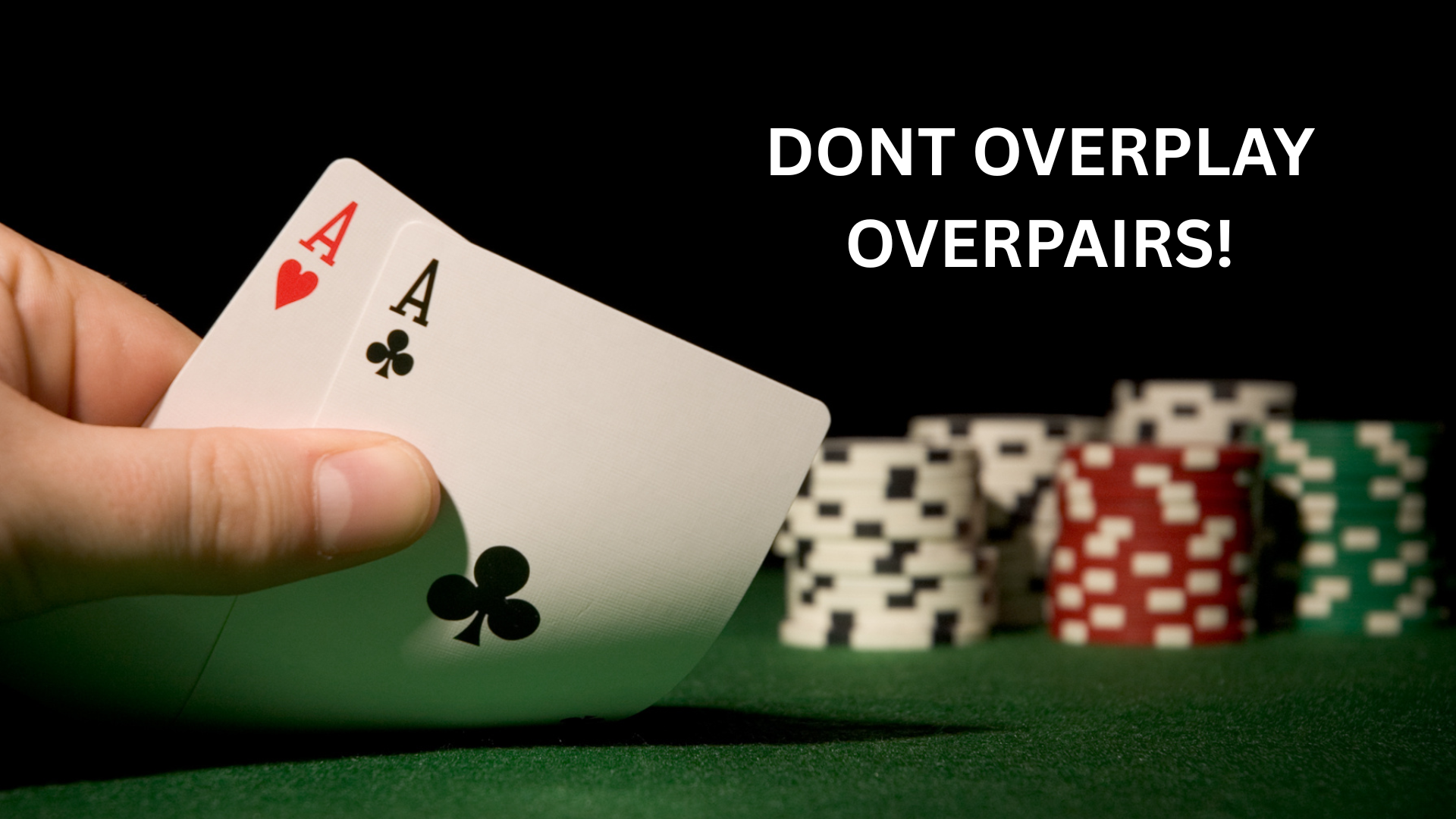
If you have played a few cash games or Texas Hold'em tournaments, you’ve probably faced this classic situation: you look down at a big pocket pair, the flop comes low, and suddenly you’re holding an overpair. An overpair is powerful, but overplaying it can drain your stack faster than you think.
Learning to manage overpairs in poker is one of the biggest skill jumps for any player. A disciplined approach helps you extract value when ahead and lose less when behind. Here are three key tips in this article to make sure your overpair in poker stays profitable over the long run.
1. Think in Terms of Range vs. Range, Not Hand vs. Board
When the flop comes low and uncoordinated, many players with an overpair bet automatically. But in high level poker games, what matters isn’t just your hand, it’s how your entire range performs against your opponent’s.
For example, on a rainbow flop of 8♣ 4♦ 2♠, your overpair (say, Queens) performs well against your opponent’s range.
But on a coordinated flop like T♠ 9♠ 8♥, your range equity shrinks dramatically.
The trick: before you bet, ask yourself, how does my range interact with the board, and how does villain’s range?
Key takeaway:
In Texas Hold’em, overpairs are not “auto-bets.” Play them within your range strategy, not as standalone hands.
“In the short run, luck is king. In the long run, skill is everything.”

phil hellmuth (poker world champion)
2. Use SPR and Position to Size Your Commitment
The stack-to-pot ratio (SPR) determines how easily you can get an overpair all-in profitably.
In cash games, deep stacks mean high SPRs, which makes barreling with overpairs riskier. In tournaments or short-stacked situations, a low SPR makes commitment with an overpair more reasonable.
When you’re out of position, you should also be more cautious about bloating pots. On the flop, leading large with an overpair might get you raised off your equity. Instead, consider smaller bets or even check-calling lines that allow you to realize your hand’s value without turning it into a bluff-catcher too early.
Key takeaway:
Your overpair’s strength depends on both the board and the effective stacks. Adjust your aggression to fit the situation, not just the cards you hold.
3. Calibrate Your Bluff-Catcher Frequency for Thin Value
Strong poker strategy isn’t just about when to bet your overpairs, it’s also about when not to over-fold them.
Advanced players use Minimum Defense Frequency (MDF) to decide how often they should continue versus aggression. Folding too often with overpairs gives your opponents free profit on their bluffs.
Let’s say you hold an overpair like pocket Kings on the board 9♠ 7♣ 4♦.
When the flop comes low and connected, you’re still ahead most of the time, but there are enough straight and set combos that can pressure you on later streets.
Instead of panic-folding when your villain barrels turn and river, use MDF logic: calculate whether you’re defending often enough so your opponent’s bluffs don’t print money.
You don’t need to call down every time. Just make sure you’re not folding your overpairs so often that bluffs become automatically profitable.
Key takeaway:
A balanced defense frequency keeps your overpairs from becoming easy targets. Play the math, not the fear.
Final Thoughts
Playing an overpair in poker well means treating them as one part of a balanced range, not as a made hand you’re married to.
Understand how the board interacts with both players’ ranges, consider SPR and position, and calibrate your defenses mathematically.
Do that consistently, and your overpairs will become profit centers rather than bankroll killers.